At Gigonsa, we’ve been committed to the performance and longevity of diesel engines for over three decades. In our daily interactions with fleet owners, operators, and mechanics, one name consistently emerges as synonymous with power and reliability: the Duramax engine. Therefore, in this article, we want to offer you a comprehensive guide that not only explains what makes it so special but also helps you protect your investment, extend its lifespan, and avoid costly failures.
Key Insight:
Duramax engines are engineering marvels, but their high-precision fuel and emissions systems are critically vulnerable to contaminated diesel. Proactive protection isn’t just an option; it’s a necessity for avoiding repairs that can exceed $10,000 USD.
What is a Duramax diesel engine?
When we talk about Duramax, we’re referring to a family of high-performance V8 diesel engines, designed primarily for pickups and heavy-duty vehicles. Their reputation is based on a remarkable balance of power, efficiency, and durability—characteristics that, however, demand exceptional care of the fuel system.
Origin and alliance GM–Isuzu (birth of DMAX)
The Duramax story begins with a strategic alliance. In the late 1990s, General Motors (GM) and Isuzu joined forces to create a diesel engine that could compete in the demanding North American market. This collaboration resulted in the creation of the joint venture DMAX Ltd. in 2001 and the first engine in the series: the LB7. This fusion of Japanese engineering (known for its efficiency and refinement) and American engineering (power and robustness) gave rise to an engine that would be a game-changer for diesel pickups.
Main technical characteristics of the Duramax (injection, turbo, emissions)
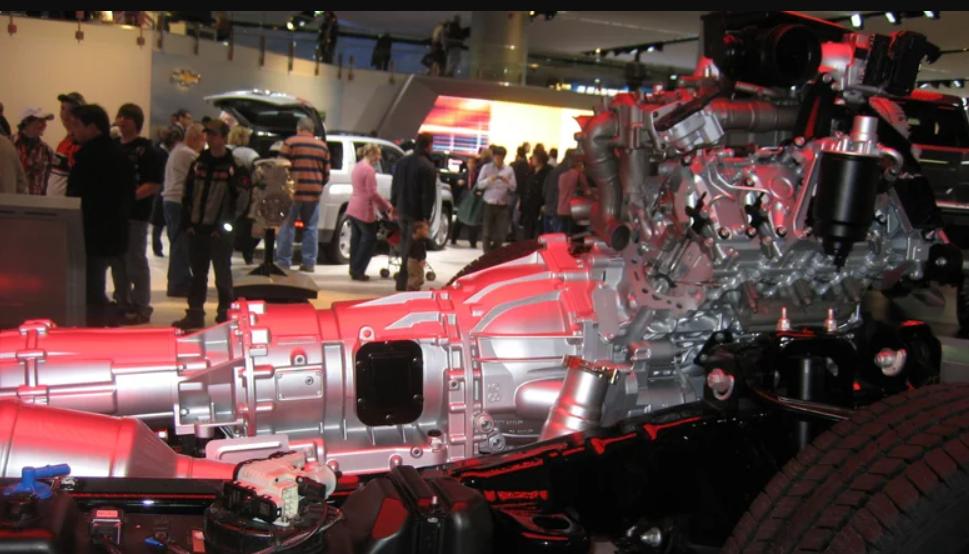
From their inception, Duramax engines have distinguished themselves by incorporating cutting-edge technology. They utilize common rail direct injection systems, where a high-pressure pump (CP3 or CP4, depending on the generation) sends fuel to a common rail that feeds the piezoelectric or solenoid injectors, enabling ultra-fine atomization and multiple injections per cycle. This is combined with a compound turbocharger (in recent generations, a sequential twin-turbo) that reduces turbo lag and delivers monumental torque at low RPMs. To comply with emissions regulations, they integrate complex systems such as Exhaust Gas Recirculation (EGR) and the Diesel Particulate Filter (DPF), critical components whose performance depends directly on the quality of the fuel they burn.
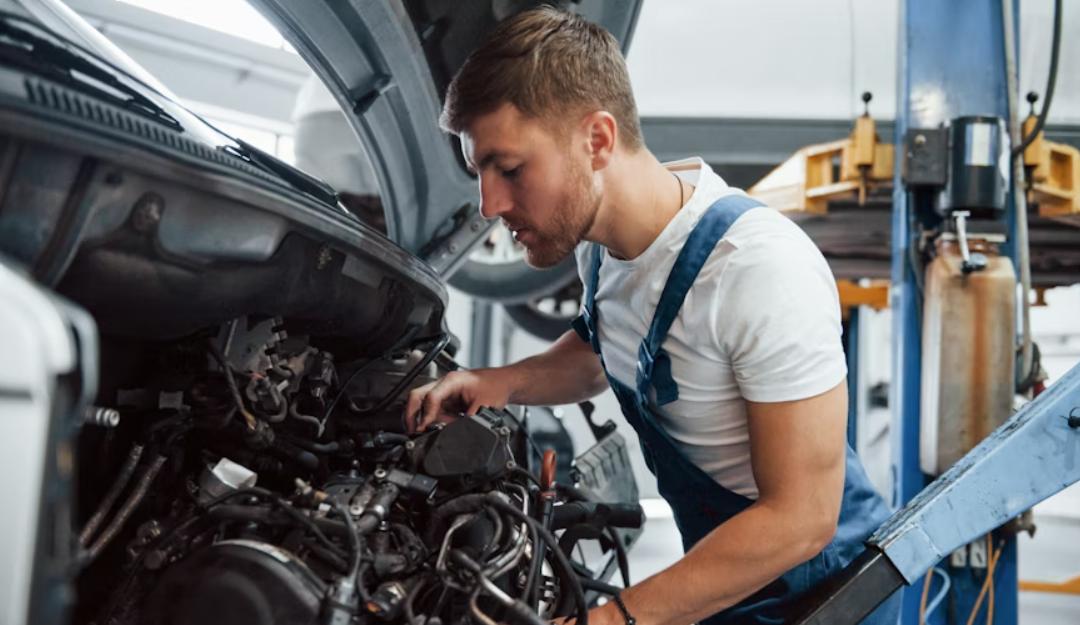
The turbocharger is key to Duramax performance, but its efficiency relies on clean combustion.
Duramax engine generations and their differences
Understanding the evolution of Duramax is fundamental to grasping its strengths and areas for improvement. Each generation has brought advancements, but also new challenges in terms of reliability.
LB7, LLY, LBZ, LMM, LML: pros and cons in reliability
The LB7 (2001-2004) was a powerful pioneer, but its Achilles’ heel was the injectors, which were prone to failure. The LLY (2004-2005) improved the cooling system and turbocharger, although some experienced overheating problems. The LBZ (2006-2007) is considered by many to be one of the most reliable, prior to the widespread implementation of emissions controls. The LMM (2007-2010) introduced the DPF, adding complexity. The LML (2011-2016) introduced the urea injection system (DEF) and the CP4 pump, which was sensitive to diesel lubricity and contamination.
L5P and L5D: Power, Torque and Recent Improvements
The current generation, L5P (since 2017) and its evolution, represents a significant leap forward. GM replaced the problematic CP4 pump with a longer-lasting CP3, strengthened internal components, and increased horsepower and torque to impressive figures. However, this extreme sophistication makes protection against dirty diesel, water, and sediment not just a recommendation, but an absolute necessity to preserve its high-precision injection systems and the costly DPF.
Comparative table of power, torque and sensitivity to diesel quality
| Generation | Years | Power (approx.) | Torque (approx.) | Sensitivity to Contaminated Diesel |
|---|---|---|---|---|
| LB7 | 2001-2004 | 300 HP | 520 lb-ft | HIGH (injectors) |
| LBZ | 2006-2007 | 360 HP | 650 lb-ft | MEDIUM-HIGH |
| LML | 2011-2016 | 397 HP | 765 lb-ft | VERY HIGH (CP4 pump) |
| L5P | 2017-Present | 470 HP | 975 lb-ft | CRITICAL (emissions systems, injection) |
Common problems in Duramax diesel engines
At Gigonsa, we have analyzed thousands of cases and confirmed that, beyond normal wear and tear, failures tend to be concentrated in specific systems, almost always exacerbated by fuel contamination.
Injectors, high-pressure pump and injection system
The heart of any modern Duramax engine is its common rail system, a marvel of precision that is also its weakest point against contamination. The injectors, whether piezoelectric or solenoid, operate with tolerances of less than one micron, equivalent to the thickness of a bacterium.
When diesel fuel carries sediment particles harder than steel (such as silica), they act like microscopic sandpaper. This abrasive wear irrevocably alters the spray pattern: the fine mist becomes an irregular jet.
The immediate consequence is incomplete combustion, which generates excessive soot, power loss, black smoke, and abnormal thermal stress on the DPF. But the problem doesn’t end there. The high-pressure pump (CP3 or CP4), responsible for generating pressures exceeding 30,000 PSI, relies entirely on the natural lubricity of diesel fuel to protect its moving metal components. Water present in the fuel, in addition to causing pitting corrosion, washes away this lubricating film.
The result is accelerated metal wear that not only renders the pump unusable but also spreads metal shavings throughout the common rail and injectors, dooming the entire system. This cascading failure transforms a local repair into a complete replacement of the injection system, one of the most expensive interventions an owner can face. Learn more about the indicators of contaminated fuel.
DPF, EGR and emissions: blockages and forced regenerations
The emissions control systems in the Duramax, while necessary to comply with regulations, introduce a layer of complexity that magnifies the effects of poor fuel.
The Diesel Particulate Filter (DPF) is a passive component that traps soot. Its automatic cleaning, called regeneration, occurs when the exhaust gases reach temperatures above 600°C to oxidize the particles. However, when dirty injectors or low-cetane fuel cause inefficient combustion, the amount of soot generated exceeds the capacity of the self-cleaning system.
The DPF becomes saturated, increasing backpressure in the engine. This triggers more frequent forced regenerations, a process that consumes additional fuel, excessively raises the oil temperature, and subjects the engine to chronic thermal stress. Simultaneously, the Exhaust Gas Recirculation (EGR) valve redirects some of these gases, now laden with more abrasive and sticky soot, back into the intake.
This mixture combines with water vapor and acids from combustion, forming a corrosive paste that fouls and carbonizes the EGR valve, ducts, and heat exchanger (cooler). The resulting blockage chokes the engine, drastically reduces power, and in severe cases, can cause severe overheating. Therefore, keeping these systems clean is not only an environmental issue but also a fundamental condition for preserving the long-term thermodynamic efficiency and mechanical health of the entire engine.
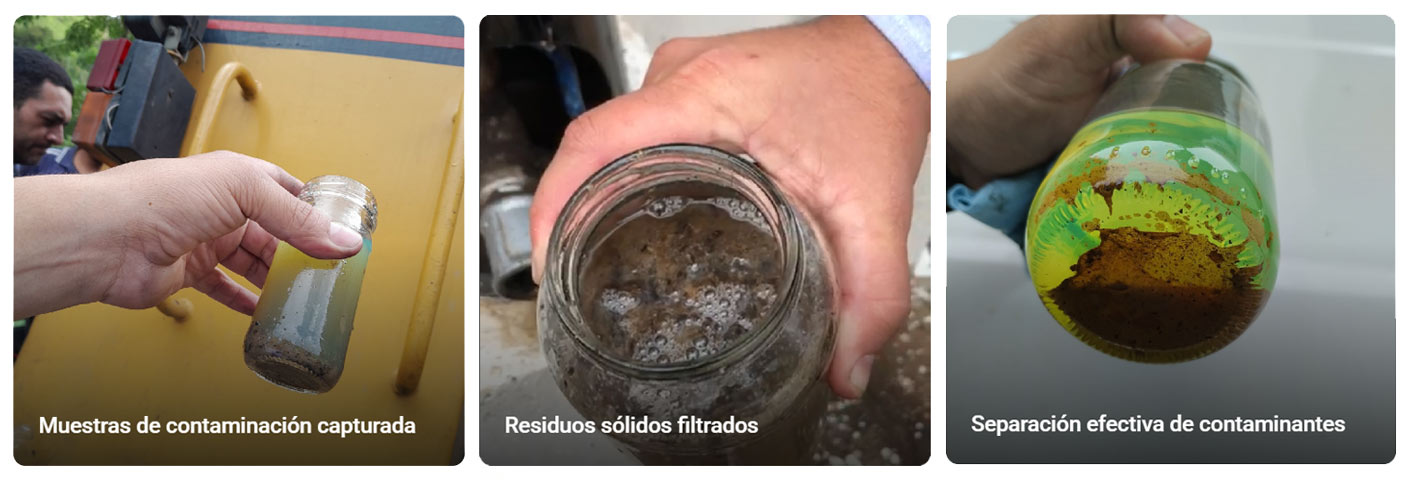
Water and sediment in diesel fuel are the silent destroyers of high-performance engines.
How water and sediment in diesel exacerbate these problems
Water and sediment are not mere contaminants; they are catalysts that accelerate and intertwine all the aforementioned failures. Water reaches the fuel primarily through condensation in storage and transport tanks, an unavoidable phenomenon, especially in climates with temperature variations. Its presence is harmful in many ways.
First, it promotes electrolytic corrosion in tanks, fuel lines, and steel components of the injection pump. Second, and more critically, it destroys the lubricity of the diesel fuel, which is the only lubricant between the high-pressure components of the CP3 or CP4 pump. Without it, metal wear is just a matter of time. Third, water is the essential breeding ground for colonies of microorganisms (bacteria and fungi), which metabolize hydrocarbons and produce acids and viscous biofilms. These biofilms clog filters with astonishing speed.
For their part, sediments (oxides, sand, salts) are the direct abrasive agent. Their action is not limited to the pump and injectors; they also wear down the seals and mechanisms of the EGR valve and, when expelled with the exhaust gases, contribute to the formation of hard, abrasive deposits in the DPF, degrading its porous ceramic material.
Together, water and sediment create a destructive cocktail where injection problems (wear) and emissions problems (clogging) feed back into each other, making it impossible to solve one without attacking the common root: the purity of the fuel entering the system. Discover why water is the worst enemy of diesel.
The role of fuel quality in the life of the Duramax engine
Understanding what’s actually in the tank is the first step toward prevention. In our experience, the “clean diesel” that is supposedly being supplied is far from clean.
What real diesel contains: water, sediment, microorganisms
Diesel fuel, from the refinery to your vehicle’s tank, is exposed to water condensation (especially in partially empty storage tanks), the buildup of sediment from oxidation, and contamination during transport and storage. This mixture seriously compromises engine integrity.
Direct impact on smoke, power loss, corrosion, and downtime
The consequences are direct and measurable: black smoke from inefficient combustion, loss of power and responsiveness, accelerated corrosion of tanks and lines, and most costly of all: downtime due to unscheduled repairs. An engine running on dirty fuel never delivers its maximum performance and is always on the verge of major failure.
Examples of typical costs of not controlling diesel pollution
A set of remanufactured injectors can cost between $2,000 and $4,000 USD, plus labor. A failed CP4 pump, with the resulting system contamination, can bring the bill to $8,000-$12,000 USD. Cleaning or replacing a DPF costs around $3,000-$5,000 USD. These are expenses that, with proper protection, can largely be avoided.
How to protect a Duramax diesel engine in harsh environments
The good news is that these risks are manageable. Effective protection relies on a combined strategy of best practices and superior technology.
Good practices for diesel supply and storage
We recommend refueling at service stations with high fuel traffic, keeping storage tanks full to minimize condensation, and performing regular water drainage. However, these practices, while valuable, are insufficient on their own to combat pervasive contamination.
Original filters vs advanced purification systems (centrifugation, separators)
The original primary and secondary filters are essential, but they have limitations: their water retention capacity is finite, they become saturated and must be replaced periodically, and their effectiveness against submicron particles is limited. This is where centrifugal purification systems, like those we developed at Gigonsa, represent a quantum leap. They don’t filter; they physically separate water and sediments heavier than diesel, without disposable components to replace. Read our comparison: Centrifugal filtration vs traditional filters.
Measurable benefits: fewer failures, less smoke, more working hours
Implementing advanced fuel protection translates into tangible results: a drastic reduction in injection failures and emissions, virtual elimination of black smoke, extension of the lifespan of original filters and, ultimately, more hours of productive work and less in the workshop.
Advanced protection with AK Purifier by Gigonsa
At Gigonsa, we’ve dedicated our expertise to developing a solution that tackles the problem at its root: the AK Purifier. Our technology isn’t just another filter; it’s a permanent purification system.
How centrifugal purification technology works (without disposable elements)
The principle is ingenious and robust. Diesel fuel enters the unit under pressure and is accelerated in a centrifuge chamber. This centrifugal force, hundreds of times greater than gravity, throws the water and sediment (which are denser) against the walls of the container, where they are separated and collected for periodic draining. The clean fuel then flows to the engine. There are no cartridges or porous elements to saturate or replace. It’s a “set it and forget it” solution that will last for years.
Typical results in high-performance diesel engines (injection, DPF, turbos)
Installing an AK Purifier creates an optimal fuel environment for the Duramax. The injectors maintain their precise spray pattern, the high-pressure pump operates with the correct lubrication, and the DPF doesn’t become clogged with soot from incomplete combustion. The result is an engine that performs as designed, with its original power and torque, and with emissions under control.
Use cases by sector: agriculture, construction, transport, mining, energy and maritime
Our technology is protecting Duramax and other high-end diesel engines in the most demanding environments. In agriculture, it prevents breakdowns during peak harvest time. In construction and mining, it protects against dust and extreme humidity. For freight transport, it guarantees reliability over long distances. In power generation and marine applications, it ensures continuous operation. Wherever a Duramax engine works hard, the AK Purifier is its guardian. Explore our sector-specific solutions.
Prevention is Profitable
The sophistication of the Duramax engine is its greatest strength and its most vulnerable point. Investing in advanced fuel purification is not an expense; it’s a direct safeguard for your most valuable asset. By ensuring that only perfectly clean diesel reaches the injection system, you eliminate the root cause of the vast majority of failures, guaranteeing maximum performance, compliance with emissions regulations, and a drastic reduction in total operating costs.
At Gigonsa, our mission is clear: to protect your engine so you can focus on what matters. A Duramax with clean diesel isn’t just a powerful engine; it’s a reliable and long-lasting asset.
Contact our experts for a personalized assessment and discover the right AK Purifier solution for your application.
Related Articles
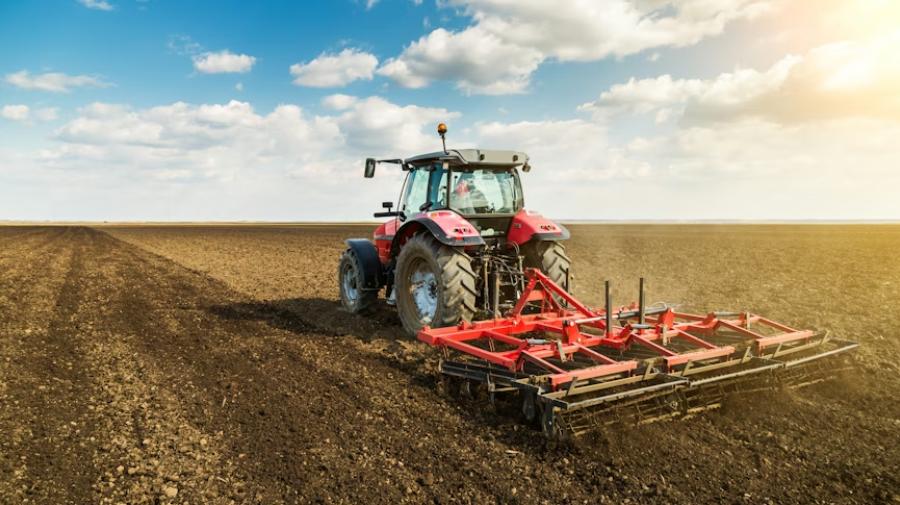
Protecting Agricultural Machinery in Extreme Climates
Learn how advanced diesel purification safeguards your equipment against humidity and dust during critical seasons.
Read more →
5 Indicators of Contaminated Fuel in Your Engine
Identify the early warning signs of diesel contamination before it leads to catastrophic engine failure.
Read more →
Extend Your Diesel Engine’s Life by 15 Years
Discover the proven strategies and technologies that can dramatically increase the operational lifespan of your diesel assets.
Read more →