
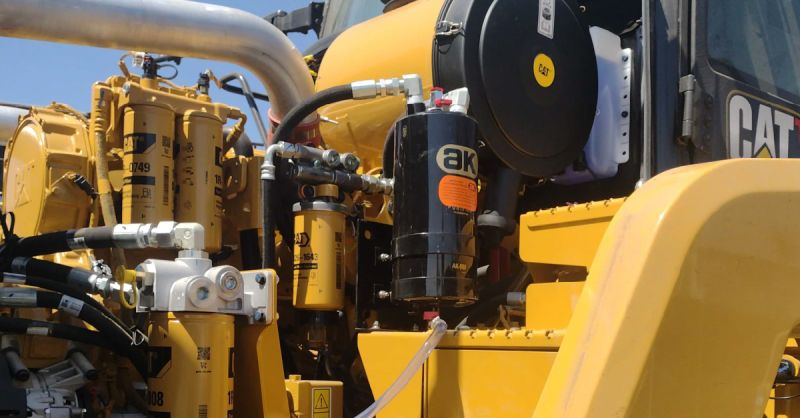
Agricultural machinery represents a significant investment for farmers and agricultural operations worldwide. When exposed to extreme climates—whether scorching heat, freezing cold, high humidity, or dusty conditions—this equipment faces accelerated wear and potential failure. Protecting your machinery isn’t just about maintaining performance; it’s about extending equipment life, reducing downtime, and maximizing your return on investment.
Research indicates that proper protection and maintenance can extend the operational life of diesel engines by up to 15 years, even when operating in extreme conditions. Contaminated fuel is one of the primary causes of engine failure, with water being particularly damaging to diesel systems.
The Impact of Climate Extremes on Agricultural Equipment
Extreme temperatures, both high and low, affect agricultural machinery in multiple ways. In hot climates, engines overheat, seals dry out and crack, and hydraulic fluids break down more quickly. Conversely, in freezing conditions, fluids thicken, batteries lose efficiency, and metal components contract, potentially leading to cracks and failures.
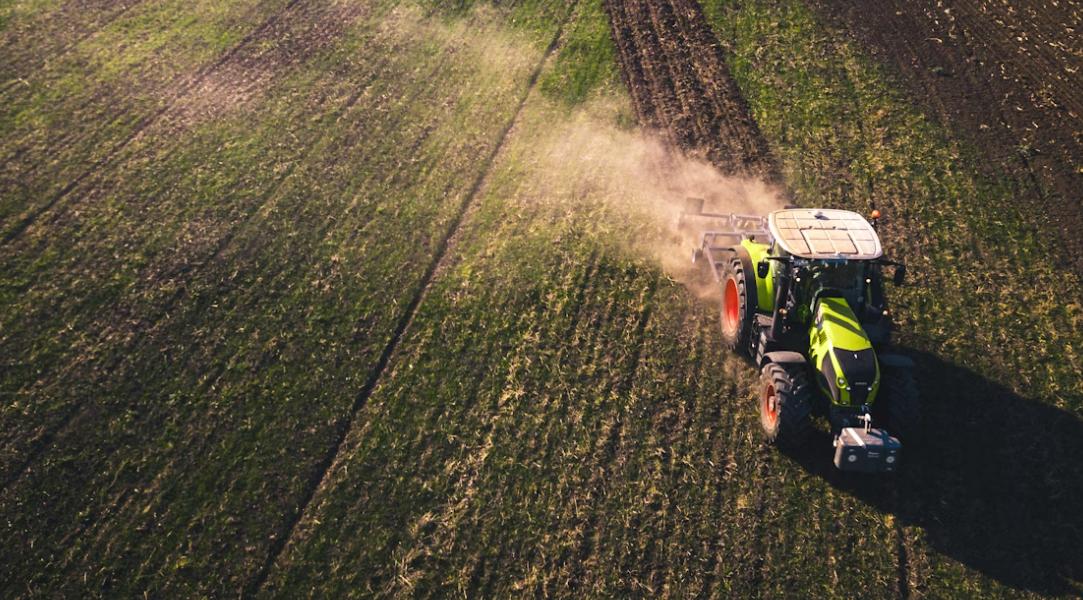
Agricultural machinery operating in extreme dusty conditions requires specialized protection.
Fuel Contamination: The Invisible Threat
Regardless of climate, contaminated fuel poses one of the greatest risks to agricultural machinery. Water infiltration—whether from condensation in temperature fluctuations or direct contamination—is particularly harmful to diesel engines. Microbial growth, sediment, and other particulates further compound the problem, leading to injector clogging, pump wear, and reduced combustion efficiency.
Identifying Contaminated Fuel
Early detection of fuel contamination can prevent costly repairs. Common indicators include reduced engine power, irregular engine operation, excessive smoke from exhaust, and increased fuel consumption. Regular fuel testing and visual inspections can help identify problems before they cause significant damage.
| Climate Condition | Primary Risks to Machinery | Recommended Protection Measures |
|---|---|---|
| Extreme Heat | Engine overheating, fluid degradation, seal failure | Enhanced cooling systems, heat-resistant fluids, regular thermal inspections |
| Freezing Temperatures | Fluid thickening, battery failure, metal contraction | Engine block heaters, winter-grade fluids, battery maintenance |
| High Humidity | Corrosion, electrical issues, fuel contamination | Dehumidifiers, protective coatings, fuel water separators |
| Dusty/Dry Conditions | Abrasive wear, air filter clogging, overheating | Enhanced filtration systems, regular cleaning, sealed components |
Advanced Filtration Solutions
Modern filtration technology offers powerful protection against climate-related threats to agricultural machinery. Traditional filters have limitations, particularly in extreme conditions where water contamination and fine particulates are prevalent. Advanced solutions like centrifugal filtration provide superior protection by removing water and microscopic contaminants that conventional filters cannot capture.
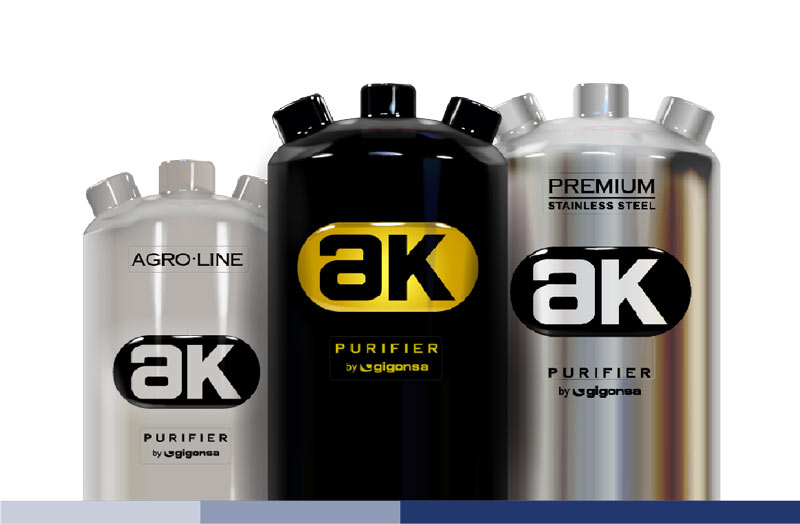
Advanced filtration systems are essential for protecting diesel engines in extreme conditions.
Centrifugal vs. Traditional Filtration
Centrifugal filtration systems use rotational force to separate contaminants from fuel, removing water and particles down to microscopic sizes. Unlike traditional filters that become less effective as they clog, centrifugal systems maintain consistent efficiency. This technology is particularly valuable in extreme climates where temperature fluctuations increase condensation and fuel contamination risks.
Proactive Maintenance Strategies
Beyond filtration, comprehensive maintenance protocols are essential for machinery operating in harsh conditions. Regular inspections, timely fluid changes, and climate-appropriate lubricants all contribute to equipment longevity. Seasonal preparation—winterizing equipment for cold months and implementing heat mitigation strategies for summer—can prevent climate-specific damage.
Monitoring and Diagnostics
Modern agricultural machinery often includes sophisticated monitoring systems that track engine performance, fuel quality, and operational parameters. Leveraging this data allows for predictive maintenance, addressing potential issues before they lead to breakdowns. Regular fuel testing, particularly for water content and microbial contamination, should be part of any maintenance regimen for equipment operating in extreme climates.
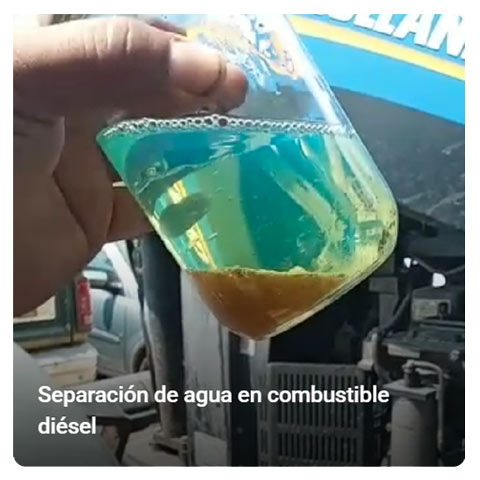
Regular fuel testing helps identify water contamination before it damages engine components.
Protect Your Investment Today
Agricultural machinery operating in extreme climates faces unique challenges that demand specialized solutions. From advanced filtration systems that remove water and contaminants to comprehensive maintenance strategies tailored to specific environmental conditions, protecting your equipment requires a proactive approach.
By implementing the right protective measures, you can significantly extend equipment life, reduce downtime, and ensure optimal performance regardless of climate extremes. The key lies in understanding the specific threats posed by your operating environment and selecting technologies designed to address those challenges effectively.
Explore our specialized AK product lines designed for agricultural applications, or learn how to become a Gigonsa distributor to bring these solutions to your region.
Or explore our product catalog for specialized solutions
Related Articles

5 Indicators of Contaminated Fuel
Learn to recognize the early warning signs of fuel contamination before it causes expensive damage to your agricultural equipment.
Read More →
Extend Diesel Engine Life by 15 Years
Proven strategies and technologies to dramatically extend the operational life of your diesel engines, even in extreme conditions.
Read More →