
The Ultimate Guide to the LS 6.0 Engine: From Identification to High-Performance Builds
At Gigonsa, with over 30 years of experience in engine engineering and critical systems optimization, we have learned that not all engines are created equal. Within the vast ecosystem of General Motors’ LS platform, the ls motor 6.0 has established itself as the “sweet spot” for enthusiasts, fleet mechanics, and high-performance builders. It represents the perfect intersection of iron-block robustness and the airflow potential of racing engines.
However, online information regarding this platform is often fragmented. A user might find torque specifications on one site but must navigate obscure forums to understand why their knock sensors failed or why their transmission won’t engage after a swap. In this technical guide of the ls motor 6.0, we have consolidated our technical expertise to provide a comprehensive roadmap. From accurate junkyard identification to 1,000 HP configurations, this is the only reference you’ll need.
Key Insight from Gigonsa Engineers
The LS 6.0’s strength lies in its versatility. The iron-block variants (LQ4, LQ9, LY6, L96) offer unmatched durability for forced induction and heavy-duty use, while understanding the Generation III vs. IV split is critical for a successful swap or upgrade. Always verify the VIN 8th digit before purchase.

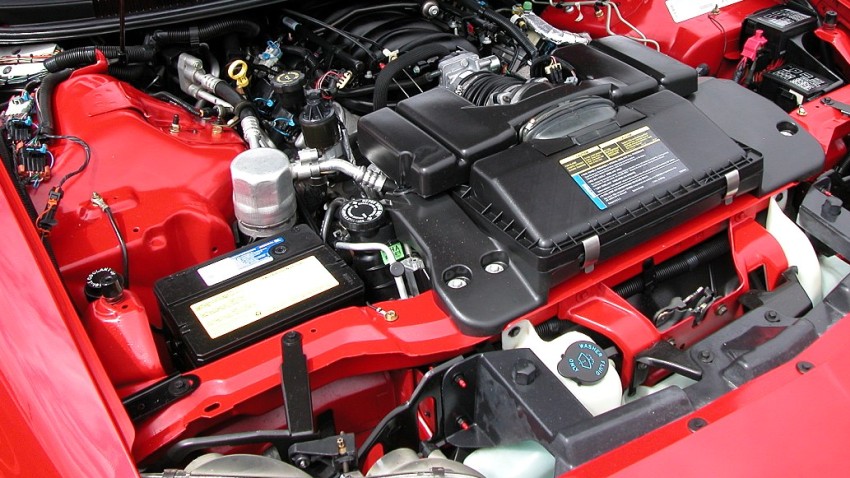
A clean LS engine ready for build or inspection. Proper identification is the first step.
The Hierarchy of the LS Motor 6.0 Family: Identification
The first obstacle our customers face is identity confusion. Not all 6.0L engines are the same, and purchasing the wrong variant can result in thousands of dollars in unexpected conversion costs. At Gigonsa, we divide this evolution into two fundamental technological eras.
Generation III vs. Generation IV
The technological tipping point occurred between 2005 and 2007. Understanding this transition is imperative for electronic engine management.
Generation III (The Origin): These engines use a 24-tooth (24x) reluctor wheel on the crankshaft. Their camshaft sensors are mounted at the rear of the block, near the bulkhead. They utilize the famous “Cathedral” port heads, named for their tall, narrow shape that optimizes airflow at low RPMs.
Generation IV (The Evolution): GM switched to a 58-tooth (58x) reluctor wheel, allowing for much finer ECU resolution. The camshaft sensors moved to the front timing cover, and the knock sensors were relocated to the sides of the block. This generation introduced rectangular-port cylinder heads and efficiency technologies such as VVT (Variable Valve Timing) and AFM (Active Fuel Management).
The VIN Decoder: Precision Identification
To avoid costly mistakes, the most reliable way to identify an ls motor 6.0 before removing it from a vehicle is by checking the eighth digit of the VIN.
| Engine Code | VIN Digit | Main Application | Key Feature |
|---|---|---|---|
| LQ4 | U | Silverado/Sierra 2500HD | Dished pistons, lower compression. |
| LQ9 | N | Escalade, Silverado SS | Flat-top pistons, high compression. |
| LS2 | H (Truck) | Trailblazer SS, SSR | Aluminum block, truck intake. |
| LY6 | K | Silverado/Sierra HD (2007+) | Rectangular heads, VVT. |
| L96 | G | Silverado/Sierra HD (2010+) | Flex Fuel, VVT, Rectangular heads. |
Technical In-Depth Analysis: Variant Comparison
Once you have identified the engine, you must understand its internal architecture. At Gigonsa, we analyze these differences in terms of operational capabilities.
The Piston Debate: LQ4 vs. LQ9
While both share a robust iron block and (in later years) “317” aluminum heads, the real difference lies in the piston design.
LQ4 (Dished Piston): The concave piston increases combustion chamber volume, lowering the compression ratio to 9.4:1. This is ideal for forced induction. At Gigonsa, we recommend this block for turbocharger projects, as the lower compression provides a vital safety margin against detonation.
LQ9 (Flat Top Piston): This raises the compression ratio to 10.1:1. It is the preferred option for naturally aspirated (NA) builds where immediate throttle response and thermal efficiency are priorities.
The Gen IV Evolution: LY6 and L96 (The “Budget LS3”)
We consider the LY6 and L96 to be the “hidden gems” of the aftermarket. Although heavy due to the iron block, they come equipped with L92 casting heads. These heads are virtually identical to those found on the Corvette LS3 and flow approximately 325 cfm from the factory. This means a work truck ls motor 6.0 has the airflow potential of a supercar engine.
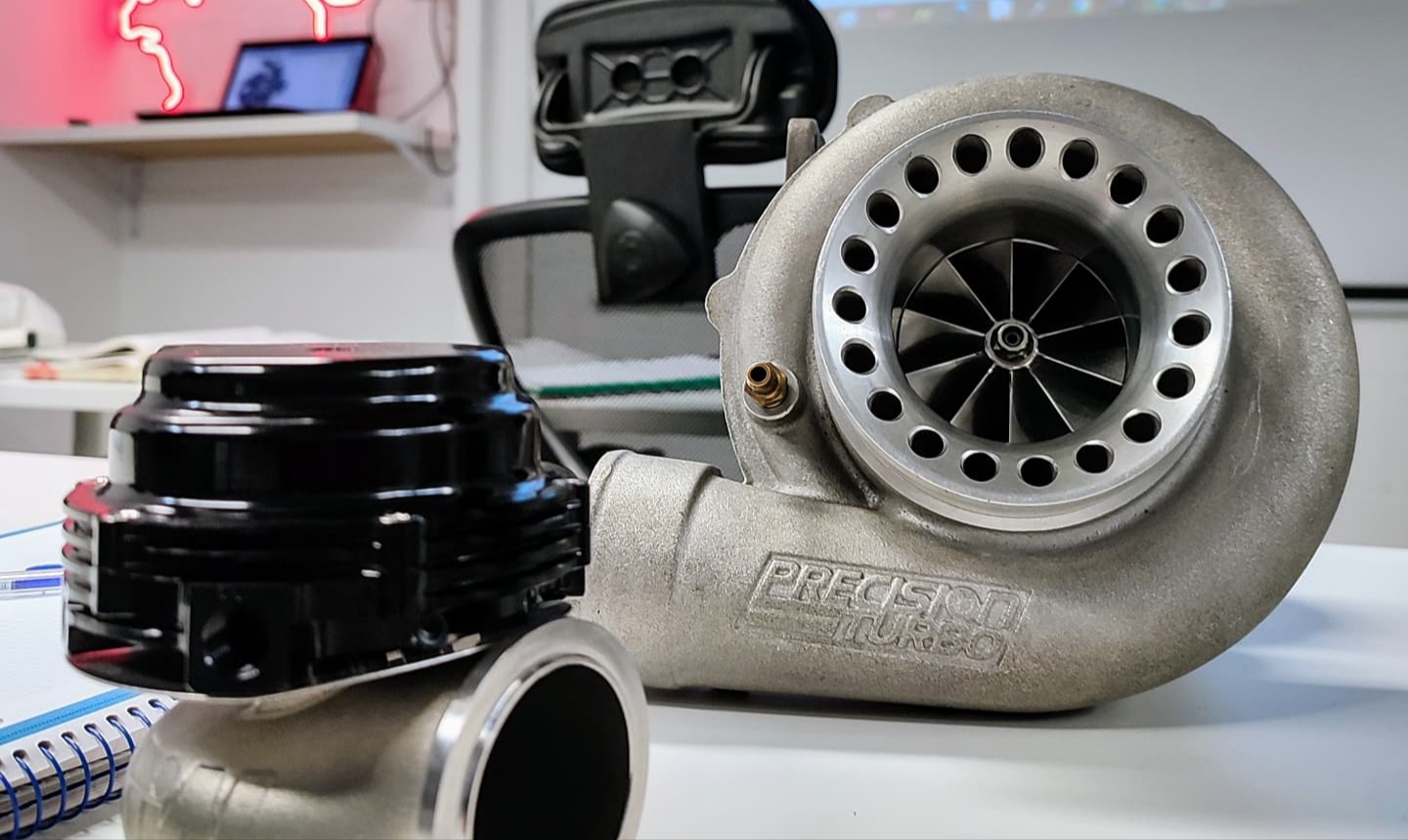
Forced induction, like turbocharging, is where the LQ4’s low compression ratio shines.
Performance Strategies: Proven Build Recipes
Based on our applied engineering vision, we have synthesized three proven “recipes” for the ls motor 6.0.
Recipe A: “The Junkyard Dog” (400-450 HP)
Base: High-mileage LQ4.
Modifications: A “truck” profile camshaft (e.g., 212/218), long-tube headers, and an ECU remap. This setup provides massive torque from low RPMs, perfect for towing or a daily driver.
Recipe B: “The Street Beast” (500-600 HP)
Base: LQ9 or LY6.
Modifications: For the LY6, stock heads are sufficient. Add an aggressive camshaft (229/244) and a Trailblazer SS (TBSS) intake manifold. Flow tests show the TBSS manifold outperforms even the legendary LS6 manifold in midrange torque. Use high-flow injectors, as stock units saturate around 400 HP.
Recipe C: “The Turbocharged Monster” (800-1000 HP)
Base: Iron Block (LQ4/LY6) exclusively. (Note: LS2 aluminum blocks are at higher risk of cracking under extreme boost).
Critical Technique (Gapping): It is vital to “open the ring gap” to approximately 0.024-0.028 inches. Under intense turbo heat, rings expand; if the ends touch, the piston will fail. Additionally, ARP head studs are mandatory to prevent cylinder head lift.
Reliability and Maintenance
The ls motor 6.0 is legendary, but it is not invulnerable. For comprehensive maintenance solutions, explore our services.
Common Failures and Engineering Solutions
Exhaust Manifold Bolts: Due to thermal cycling, rear bolts often shear off. We recommend replacing them with Grade 8 bolts or headers that dissipate heat more efficiently.
Knock Sensors (Gen III): Located in the “valley,” they are prone to water corrosion. Our solution is to create a small RTV silicone “dam” around the sensor caps to seal out moisture.
Oil Pressure Issues: The oil pickup tube O-ring often degrades, causing pressure drops. When replacing the oil pump, ensure you use the correct color-coded O-ring (green, blue, or black) for your specific tube design. Protecting your lubrication system is crucial; learn about advanced purification systems for optimal engine life.

Precision maintenance and understanding common failures are key to longevity.
Compatibility and Swaps: Avoiding the “Reluctor Trap”
The most common mistake in an ls motor 6.0 swap is the reluctor wheel mismatch. Attempting to run a Gen IV (58x) engine with a Gen III (24x) ECU will result in a “no-start” condition.
Quick Tip: Look at the sensor color. Black is 24x; Gray is 58x.
For transmissions, the 4L80E is the ideal partner for Gen III engines. For Gen IV, the six-speed 6L80E offers better power management but requires a modern ECU (E38 or E67) and CAN bus support.
Consolidated Specifications Matrix
| Specification | LQ4 (Gen 3) | LQ9 (Gen 3) | LS2 (Gen 4) | LY6 (Gen 4) | L96 (Gen 4) |
|---|---|---|---|---|---|
| Years | 1999-2007 | 2002-2007 | 2005-2009 | 2007-2010 | 2010-2017 |
| Power (HP) | 300-325 | 345 | 390-400 | 352-385 | 360 |
| Block Material | Iron | Iron | Aluminum | Iron | Iron |
| Head Type | Cathedral (317) | Cathedral (317) | Cathedral (243) | Rectangular | Rectangular |
| Compression | 9.4:1 | 10.1:1 | 10.9:1 | 9.6:1 | 9.6:1 |
| Reluctor | 24x | 24x | 24x / 58x | 58x | 58x |
| VVT / AFM | No / No | No / No | No / No | Yes / No | Yes / No |
Gigonsa’s Commitment to Engineering
Mastering the ls motor 6.0 isn’t just about knowing the numbers; it’s about understanding the application. Whether you’re building a track monster or maintaining a heavy-duty fleet, precision and internal protection are the keys to success.
At Gigonsa, we believe a well-informed engine is an engine that lasts. Our AK Purifier technology was born from this same philosophy: protecting the heart of the machine to maximize performance.
Are you planning an engine swap or looking to optimize your industrial fleet? Would you like us to provide a deep-dive analysis into the lubrication systems of these engines in our next installment?
Next Step: Would you like me to generate a specific maintenance checklist for the Gen IV variants of this engine?
Related Articles on Engine Protection & Performance
Extend your knowledge on engine longevity and system optimization with these insights from Gigonsa’s blog.
How to Extend the Life of Your Diesel Engine
Discover how advanced purification systems can significantly increase the lifespan and reliability of your diesel engines, crucial for fleets and heavy machinery.
Read More
Protection for Agricultural Machinery in Extreme Climates
Learn about the specialized solutions designed to protect engines in the agricultural sector from the damaging effects of contaminated fuel in harsh environments.
Read More
Centrifugal Filtration vs. Traditional Filters
A technical comparison explaining why centrifugal purification offers superior protection against water and particulates compared to conventional filter methods.
Read MoreExplore more technical articles in our blog section or discover our full range of products.